

What is an ECG?
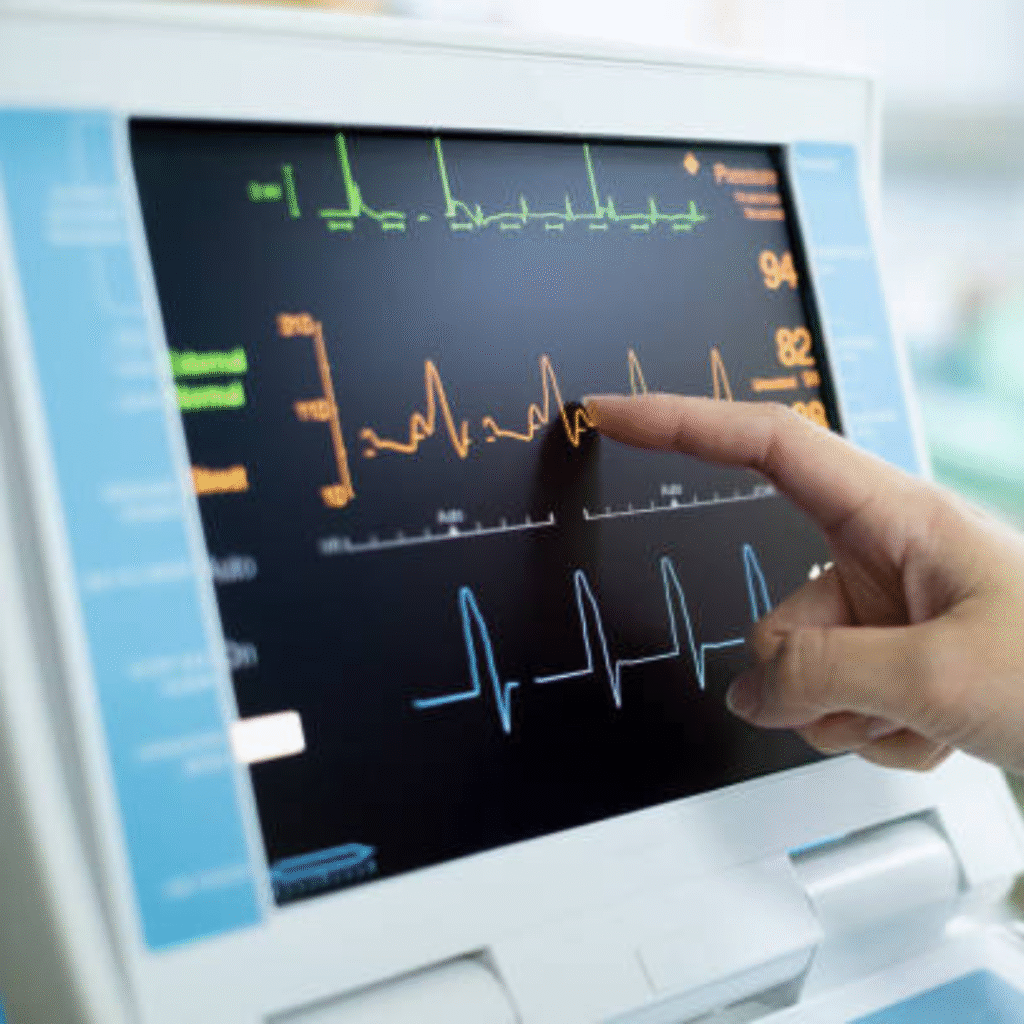
An Electrocardiogram (ECG or EKG) is a simple, quick, and non-invasive test that records the electrical activity of the heart.
It helps assess how fast your heart is beating, whether the rhythm is regular, and how effectively electrical signals travel through the heart chambers. ECG is one of the most essential tools for evaluating heart health.
Why Is ECG Done?
An ECG helps diagnose or assess:
- Chest pain or pressure
- Palpitations, irregular heartbeat, or skipped beats
- Shortness of breath
- Dizziness or fainting spells
- Effect of high BP, diabetes, or long-standing illnesses
- Impact of medications that may affect heart rhythm
- Pre-operative clearance and fitness assessments
- It also detects:
- Previous or ongoing heart attack
- Cardiac chamber enlargement
- Rhythm abnormalities (arrhythmias)
- Conduction blocks
- Electrolyte disturbances
Preparation Before the Test
- No fasting is required.
- Wear comfortable clothing that allows exposure of the chest area.
- Avoid applying oils, lotions, or creams on the chest on the day of the test.
- Inform the technician if you use a pacemaker or implanted cardiac device.
What to Expect During the Test
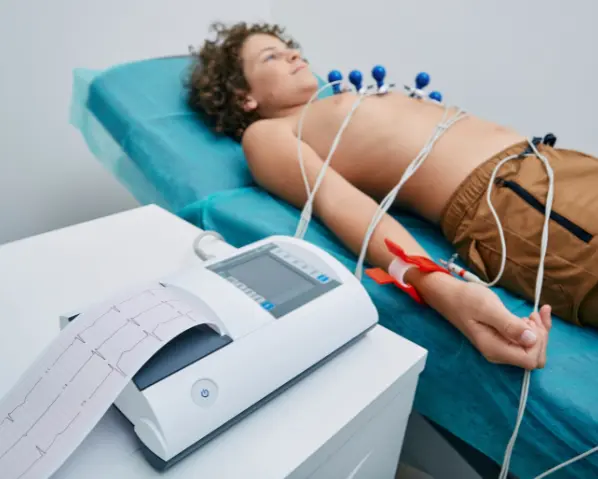
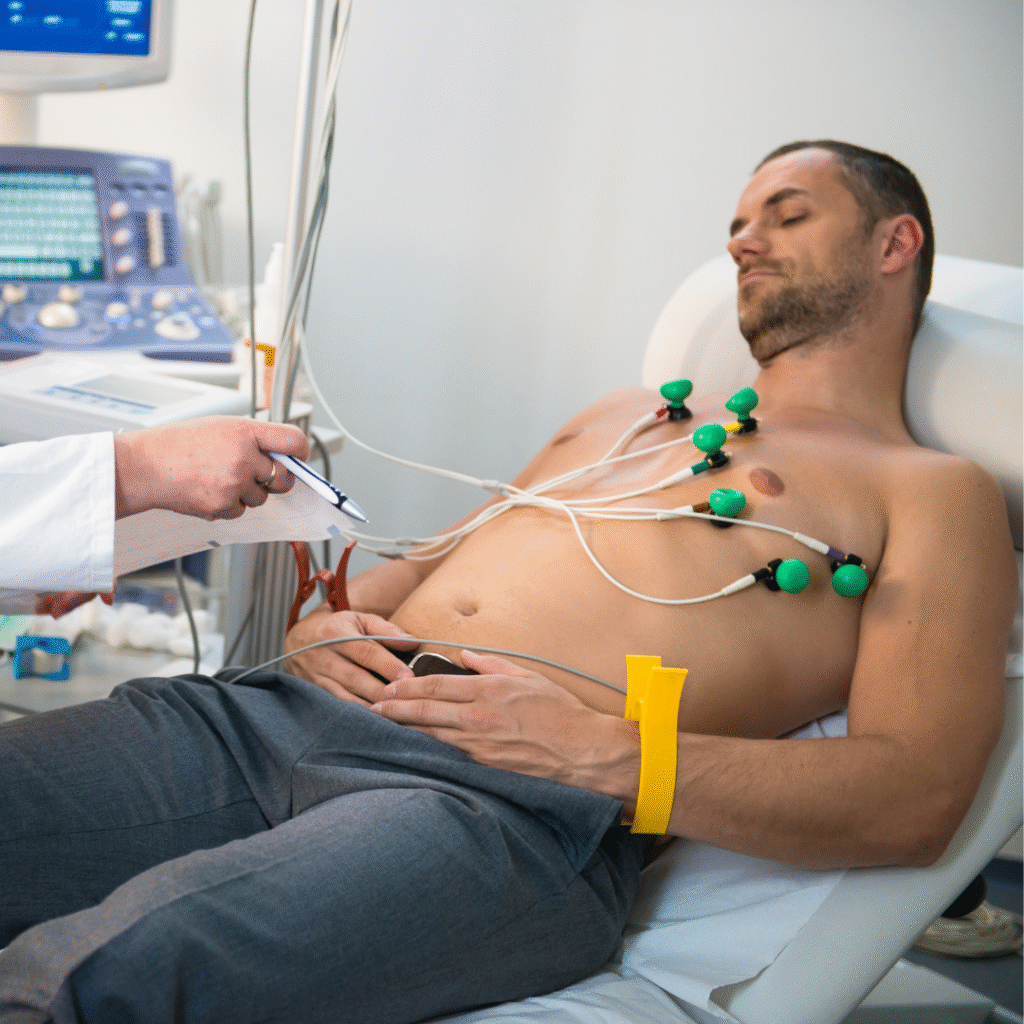
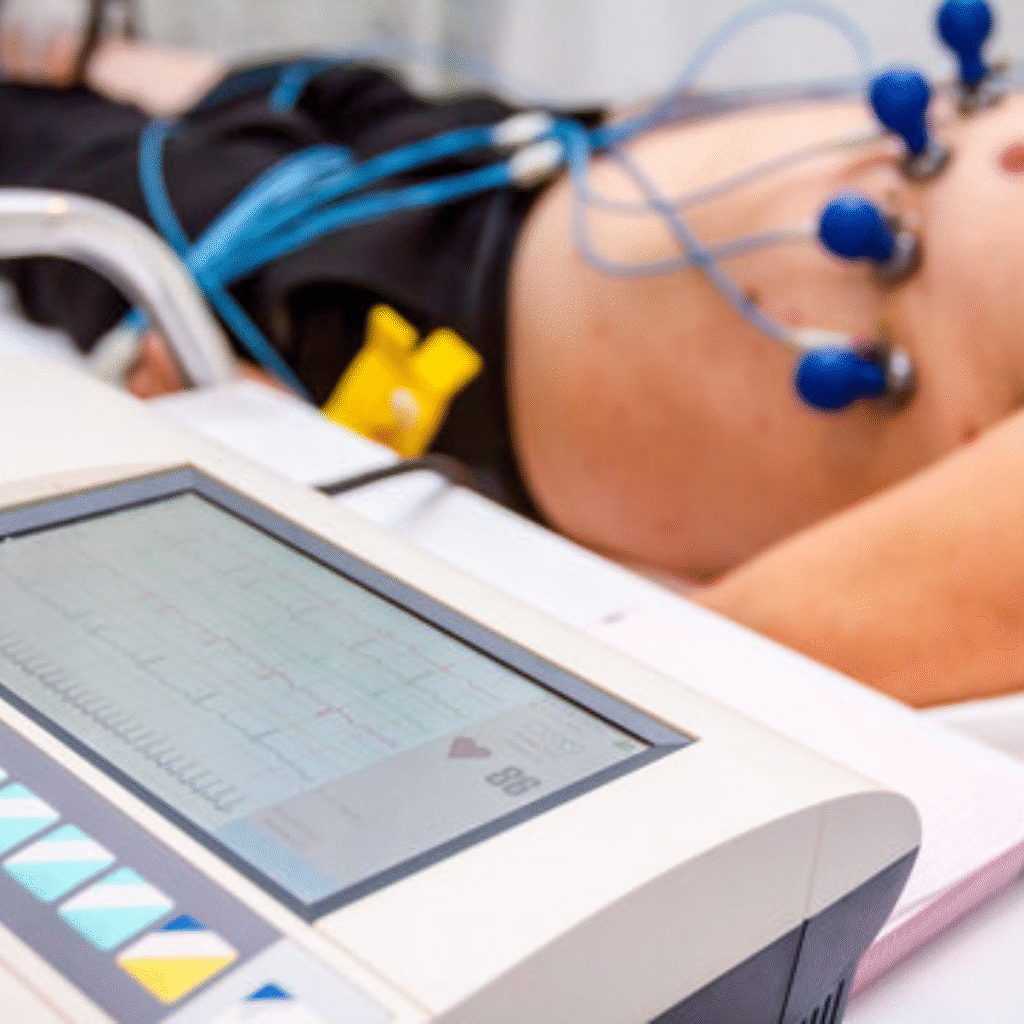
- You will lie comfortably on an examination table.
- Small adhesive electrodes will be placed on your chest, arms, and legs.
- The test is completely painless—it only records electrical signals from the heart.
- You will be asked to remain still and breathe normally for a few seconds.
- The entire procedure takes 5–10 minutes.
After the Test
- You can resume normal activities immediately.
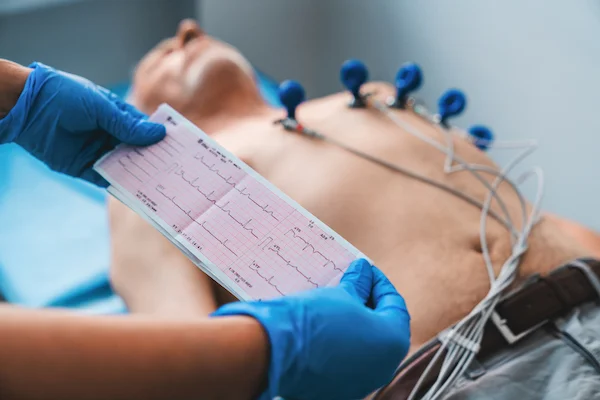
- Your ECG will be reviewed and interpreted by a qualified specialist.
- If any abnormal patterns are detected, you may be advised further evaluation such as ECHO, TMT, Holter, or a cardiology consultation.
Why Choose Us for ECG?
- Reported by Senior Cardiologist
- Your ECG is not just recorded—it is interpreted by an experienced cardiologist.
- This ensures accurate diagnosis, timely detection of abnormalities, and expert guidance on further management if needed.
- More Than Just a Graph
- You receive a complete specialist-reviewed report, not just a strip of lines.
- This adds significant clinical value, especially in borderline or complex rhythms.
- Quick, Safe & Comfortable Procedure
- Minimal waiting time
- Experienced technicians
- High-quality machines for precise tracings
- Seamless Follow-Up
- If required, you will be guided toward the next steps such as ECHO, TMT, or cardiology review—all available at the centre.
Not at all. It is fully painless and safe.
No radiation is involved. It is extremely safe, even for elderly patients and pregnant women.
Usually 5–10 minutes including preparation.
ECG detects many rhythm issues, heart attacks, and conduction problems. Some conditions require additional tests for confirmation.
Anyone with chest pain, palpitations, breathlessness, dizziness, or those with cardiac risk factors like hypertension, diabetes, or family history.
Screening refers to performing tests in healthy individuals before any symptoms appear.
Screening mammography looks for early, small abnormalities that cannot be felt during self-examination or clinical examination. Early detection means easier treatment, better outcomes, and less aggressive therapies.
- Breast cancer often develops silently without symptoms.
- Annual mammography can detect cancers up to 2 years before a lump becomes palpable.
- Regular yearly screening provides a baseline for comparison, improving accuracy.
- Reduction in Mortality Rates
- Studies worldwide show that annual mammography reduces the risk of dying from breast cancer by 30–40% in women aged 40 and above.
Early-stage cancers detected through screening are often: - Smaller
- Less likely to spread
- Treatable with breast-conserving surgery
- Associated with better survival
- Routine screening is one of the strongest tools available to save lives.